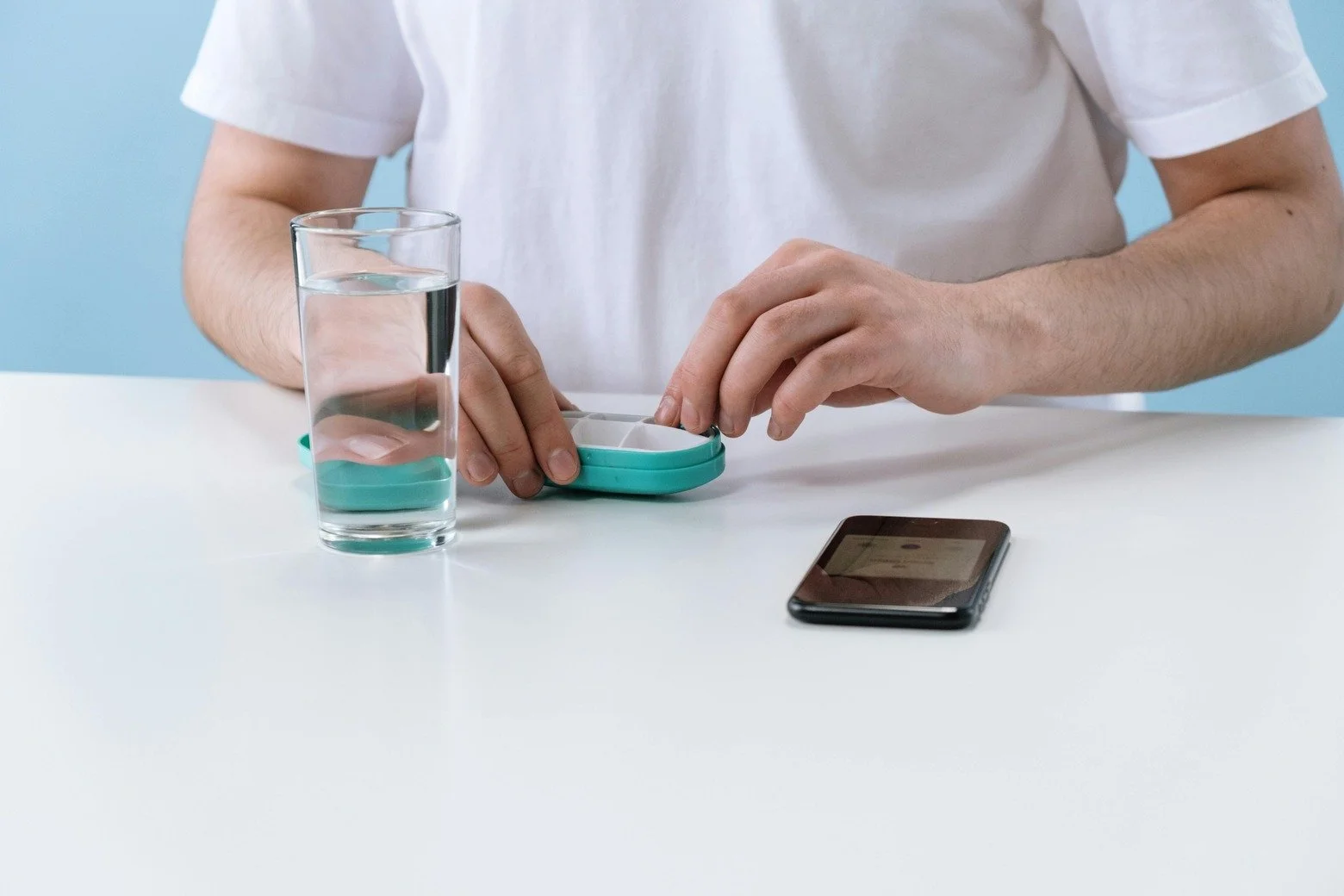
Monolaurin Results: How Soon Will You Notice a Difference?
Starting a supplement like monolaurin often comes with one big question: When should I expect results?
Monolaurin is made from natural fats found in coconuts. People often use it to support their immune system and promote wellness. But unlike medicine, monolaurin isn’t fast-acting. It works over time. Some people notice a difference in a few days. Others take weeks.

Is Monolaurin Safe? Side Effects, Risks, and Long-Term Use
Still, “safe for most” doesn’t mean safe for everyone. People with coconut allergies should avoid monolaurin, since it’s derived from coconut-based lauric acid. If you’re taking prescription medication or have a medical condition, it’s best to speak with your healthcare provider before adding any new supplement to your routine.

Does Monolaurin Really Work? What Science Says About Its Antiviral Benefits
Studies have looked at how monolaurin interacts with lipid-coated viruses like herpes simplex and Epstein-Barr. Early findings suggest it may help maintain immune balance during times of stress. However, individual results vary, and more clinical research is needed.
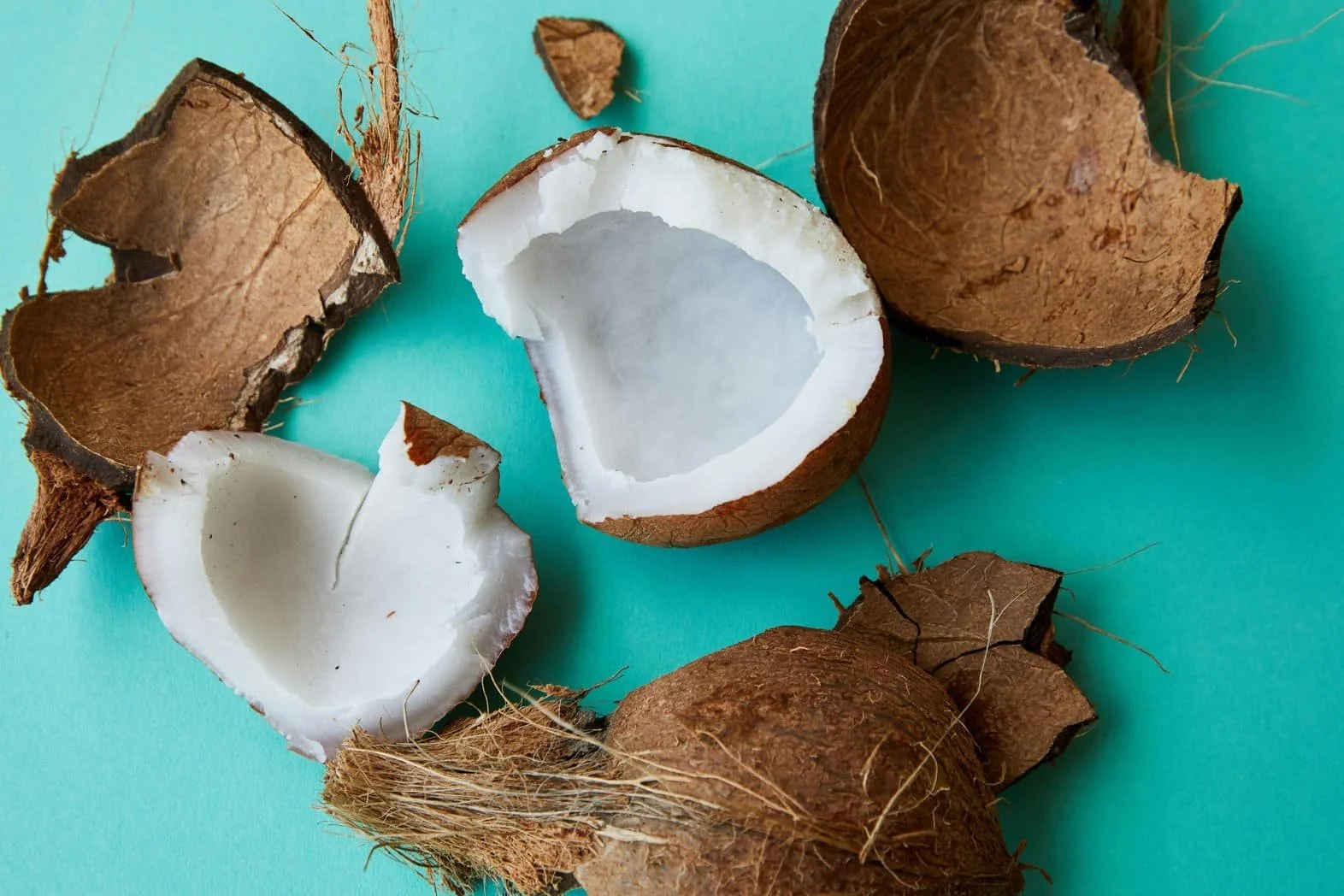
Is Long-Term Monolaurin Use Safe?
Although research supports monolaurin’s short-term effectiveness, especially in lab environments, many people wonder about the safety of long-term use. Can something derived from coconut oil be taken regularly without side effects? Is there a limit to how much monolaurin the body can handle?

Should You Take Monolaurin and L-Lysine Together for Herpes?
L-lysine has been investigated as a supplement to suppress HSV outbreaks. The biological rationale is that HSV requires another amino acid, arginine, to build proteins and replicate; lysine is thought to competitively inhibit this process by antagonizing arginine’s availability in the body

Can Monolaurin Help with Mold Exposure? A Look at the Evidence
Discover how monolaurin may support the body’s natural defenses and what research shows about its role in fungal and mold-related health.

Monolaurin and Candidiasis: Searching for a Biofilm Buster
Candida albicans biofilm structure under a microscope. Research suggests Monolaurin, derived from coconut oil, may help disrupt biofilms and support antifungal treatments.

Is Monolaurin Your Best Defense Against Flu Season?
As flu season looms, many health-conscious individuals look for ways to bolster their immune systems and stay healthy.

Can Monolaurin Be Your Acne Solution? What Research Reveals
In recent years, monolaurin has gained attention as a potential natural remedy for a variety of health issues, from immune support to skin health.
