Disclaimer: The research below is offered for information and educational purposes only and is not intended to provide medical advice. See Terms & Conditions
Article Summary
-
Lysine for cold sores has human studies, but results are mixed—and a higher-level review did not confirm clear prevention benefit for recurrent cold sores. [Ref #4][Ref #5][Ref #7]
-
Monolaurin is discussed because lab research on fatty acids/monoglycerides shows plausible activity against enveloped viruses (including HSV) in vitro, but human oral-supplement evidence for cold sore outcomes isn’t established. [Ref #9][Ref #10][Ref #11]
-
If you want the most proven approach, antivirals started early (or clinician-guided strategies for frequent outbreaks) have the strongest evidence base compared with supplements. [Ref #3][Ref #4]
-
Practical takeaway: lysine = more human data, mixed outcomes; monolaurin = more mechanism/lab discussion, limited human outcome proof—so keep expectations realistic and use supplements as supportive options, not replacements. [Ref #4][Ref #9]
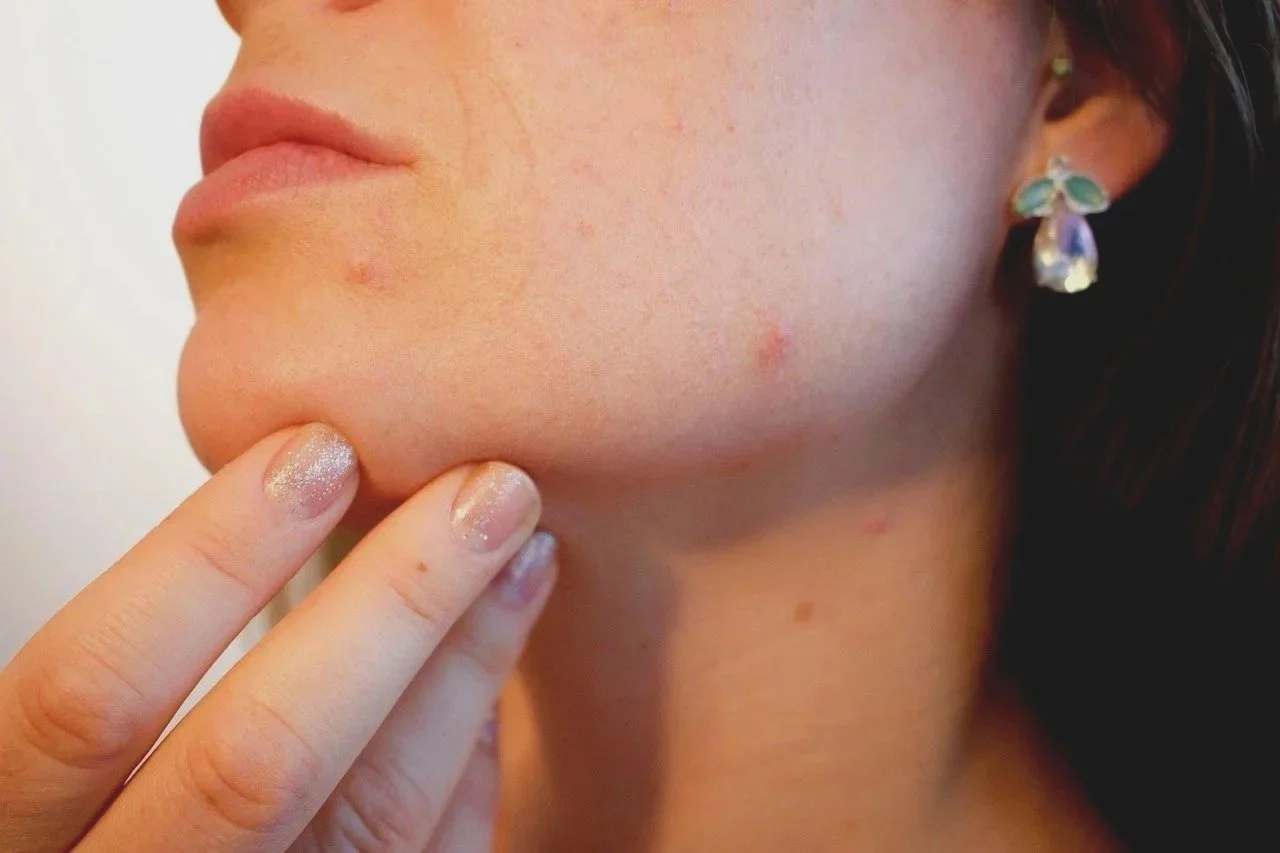
Cold sores (also called “fever blisters”) are most often caused by herpes simplex virus type 1 (HSV-1). [Ref #1] They tend to come and go – often triggered by things like sun exposure, stress, illness, or fatigue – and while treatments can help, HSV is generally treatable but not “curable.” [Ref #2]
Because cold sores can be frustratingly recurrent, many people search for nutritional approaches – especially lysine for cold sores – and, more recently, comparisons like monolaurin vs lysine cold sores. This article walks through what studies suggest, what’s mixed, and what research does not clearly confirm (yet).
Quick reality check: what actually helps cold sores?
If you catch a cold sore early, antiviral medicines can shorten healing time modestly (often around ~1 day in some summaries), especially when started at the first sign (tingle/burning). [Ref #3] For frequent or severe outbreaks, a clinician may recommend prescription approaches.
Nutritional supplements (like lysine) and fatty-acid derivatives (like monolaurin) are usually explored as supportive options – not replacements for proven antiviral therapy.
Lysine for cold sores: why do people use it?
L-lysine is an essential amino acid found in food and supplements. The common idea is that lysine may influence viral activity indirectly (often discussed in relation to arginine balance), but the key point is this:
The clinical evidence in humans is mixed. [Ref #4]
So if you’re hoping for a simple “lysine works” answer, the research landscape is more complicated than that.
What do studies suggest about lysine (and where results differ)?
1) Prevention (trying to reduce recurrences)
A major systematic review/meta-analysis on prevention of herpes simplex labialis reported that it failed to find evidence of efficacy for lysine in preventing recurrent cold sores. [Ref #4]
However, individual older trials have reported mixed outcomes:
-
One double-blind, placebo-controlled crossover study (1,000 mg/day) found no overall effect on recurrence rate, though it reported more recurrence-free participants during lysine than placebo- suggesting a possible subgroup effect. [Ref #5]
-
Another trial (“lysine as a prophylactic agent…”) is often cited as supportive in some discussions, but it sits within a body of mixed-quality, mixed-result studies. [Ref #6]
-
A separate double-blind, placebo-controlled trial (400 mg, three times daily) concluded it was unlikely lysine improves frequently recurrent herpes simplex infections for most people. [Ref #7]
Bottom line: If your goal is recurrence prevention, the best summary is: evidence is inconsistent, and higher-quality reviews do not confirm benefit. [Ref #4]
2) Treatment (shortening an active outbreak)
Even when lysine is used during an active cold sore, results haven’t been consistently positive. One controlled trial found no substantial benefit for episode frequency, duration, or severity. [Ref #7] A review of the broader evidence also concluded that lower daily doses appear ineffective, while higher doses sometimes correlate with subjective improvement- but not definitive proof of a true antiviral effect in real-world outbreaks. [Ref #8]
What’s “mixed” about lysine for cold sores?
Here are the main reasons the evidence comes out mixed:
-
Different study designs and endpoints: Some trials look at “number of outbreaks,” others at “time to healing,” others at “severity,” making comparisons messy. [Ref #4]
-
Dose ranges vary a lot: Trials and real-world use range from hundreds of mg to multiple grams daily; the evidence review noted doses under 1 g/day generally look ineffective in studies, while higher intakes may affect subjective experience (still not definitive). [Ref #8]
-
Some people may respond differently: One trial found no overall reduction in recurrences but did find more “recurrence-free” participants, hinting at individual variability. [Ref #5]
Safety notes for lysine
Lysine is widely used, but “natural” doesn’t automatically mean “risk-free.” A review cautioned that people with cardiovascular or gallbladder disease should be warned about theoretical risks and that longer, stronger studies are needed. [Ref #8]
If you’re pregnant, have kidney disease, are immunocompromised, or take multiple medications, it’s smart to run supplements by a clinician.
Monolaurin for cold sores: what evidence actually exists?
Monolaurin is a monoglyceride (a glycerol + fatty acid compound), often discussed because many fatty acids/monoglycerides show antimicrobial effects in lab settings, including effects against some enveloped viruses. [Ref #10] [Ref #12]
But here’s the key distinction for cold sores:
Lab evidence exists – but oral supplement evidence is not confirmed
A clinical review of monolaurin concluded there are many in-vitro antimicrobial papers, but very limited in-vivo (human) evidence, and what exists is mainly topical/intraoral/intravaginal use, not strong proof that monolaurin works as an oral dietary supplement for clinical outcomes. [Ref #9]
Separately, researchers have tested fatty acids/monoglycerides and related lipids against HSV-1 and HSV-2 in vitro and reported virucidal activity under certain experimental conditions. [Ref #11] That supports plausibility for lipid-based mechanisms against enveloped viruses, but it does not prove that taking monolaurin orally prevents or treats cold sores in humans. [Ref #9]
Monolaurin vs lysine for cold sores: a practical way to compare
If you want the strongest, clearest clinical evidence:
-
Prescription antiviral strategies have the most consistent support for reducing time and/or recurrence in appropriate cases. [Ref #3] [Ref #4]
If you’re choosing between lysine and monolaurin specifically:
-
Lysine: has multiple human trials in herpes contexts, but outcomes are mixed and higher-level reviews did not confirm prevention benefit. [Ref #4] [Ref #5] [Ref #7]
-
Monolaurin: has strong mechanistic/lab plausibility around lipid effects on enveloped viruses, but human oral-supplement evidence for cold sore outcomes is not established in peer-reviewed literature. [Ref #9] [Ref #10] [Ref #11]
So the honest takeaway is:
-
Lysine = more human data, mixed results
-
Monolaurin = more lab/mechanism discussion, limited human outcomes data
When to get medical advice (don’t ignore these)
Consider medical guidance if:
-
Cold sores are frequent/severe or worsening
-
You have eye symptoms (urgent)
-
You’re immunocompromised
-
You have painful lesions with fever or trouble eating/drinking
As with any dietary supplement, it is safest when taken under the supervision of a health care professional.
References
-
MedlinePlus. (2025). Cold Sores. MedlinePlus
-
World Health Organization. (2025). Herpes simplex virus (HSV) – Fact sheet. World Health Organization
-
Institute for Quality and Efficiency in Health Care (IQWiG) / NCBI Bookshelf. (2025). Cold sores: Learn More – How effective are creams and tablets for the treatment of cold sores? NCBI
-
Chi, C.-C., Wang, S.-H., Delamere, F. M., Wojnarowska, F., Peters, M. C., & Kanjirath, P. P. (2015). Interventions for prevention of herpes simplex labialis (cold sores on the lips). Cochrane Database of Systematic Reviews, 2015(8), CD010095. https://doi.org/10.1002/14651858.CD010095.pub2 PubMed+1
-
Milman, N., Scheibel, J., & Jessen, O. (1980). Lysine prophylaxis in recurrent herpes simplex labialis: a double-blind, controlled crossover study. Acta Dermato-Venereologica, 60(1), 85–87. PubMed
-
Thein, D. J., & Hurt, W. C. (1984). Lysine as a prophylactic agent in the treatment of recurrent herpes simplex labialis. Oral Surgery, Oral Medicine, Oral Pathology, 58(6), 659–666. Invalid URL
-
DiGiovanna, J. J., & Blank, H. (1984). Failure of lysine in frequently recurrent herpes simplex infection. Treatment and prophylaxis. Archives of Dermatology, 120(1), 48–51. PubMed
-
Mailoo, V. J., & Rampes, S. (2019). Lysine for Herpes Simplex Prophylaxis: A Review of the Evidence. (Review article indexed in PubMed). PubMed
-
Barker, L. A., Bakkum, B. W., & Chapman, C. (2019). The Clinical Use of Monolaurin as a Dietary Supplement: A Review of the Literature. Journal of Chiropractic Medicine, 18(4), 305–310. https://doi.org/10.1016/j.jcm.2019.02.004 PubMed
-
Thormar, H., & Hilmarsson, H. (2007). The role of microbicidal lipids in host defense against pathogens and their potential as therapeutic agents. Chemistry and Physics of Lipids, 150(1), 1–11. https://doi.org/10.1016/j.chemphyslip.2007.06.220 PubMed
-
Hilmarsson, H., Kristmundsdottir, T., & Thormar, H. (2005). Virucidal activities of medium- and long-chain fatty alcohols, fatty acids and lipids against herpes simplex virus types 1 and 2. APMIS. (PubMed record). PubMed
-
Churchward, C. P., Alany, R. G., & Snyder, L. A. S. (2018). Alternative antimicrobials: the properties of fatty acids and monoglycerides. Critical Reviews in Microbiology, 44(5), 561–570. https://doi.org/10.1080/1040841X.2018.1467875 PubMed