
Cultivating a daily routine of mindfulness can be a key pillar in maintaining immune balance.
Living with HSV (Herpes Simplex Virus) requires patience and a proactive approach to overall health. Whether dealing with oral cold sores (HSV-1) or other manifestations, many individuals look beyond standard treatments to understand how lifestyle choices influence their well-being. Central to this conversation is the concept of immune balance, the body’s ability to remain resilient against stressors that might otherwise trigger a viral reactivation.
While there is currently no cure for herpes, research into natural compounds like monolaurin, amino acids like lysine, and specific botanicals offers a fascinating window into how we might support our body’s natural defenses. Understanding the mechanisms behind these options can help empower your daily wellness routine.
How does monolaurin interact with the lipid envelope of viruses?
To understand why researchers are interested in monolaurin, one must first look at the structure of the virus itself. HSV is categorized as a lipid-enveloped virus, meaning it is encased in a fatty protective layer. This lipid envelope is crucial for the virus’s survival and its ability to attach to host cells.
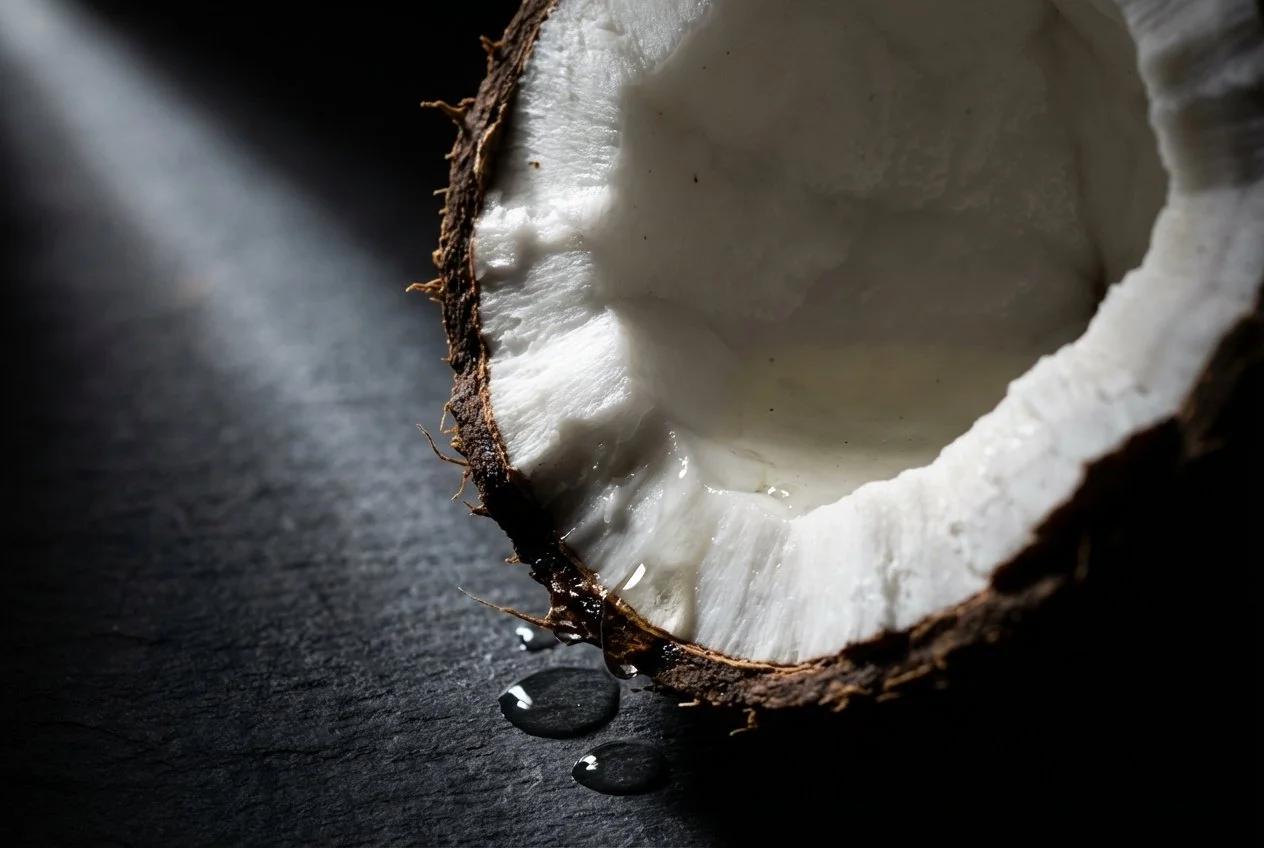
Monolaurin is derived from lauric acid, a fatty acid abundantly found in coconuts.
Monolaurin is a medium-chain fatty acid derived from lauric acid, which is found naturally in coconut oil and breast milk. In laboratory (in vitro) studies, monolaurin has demonstrated a unique ability to interact with these fatty viral sheaths. Research suggests that monolaurin may disrupt the integrity of the viral envelope, potentially preventing the virus from replicating or attaching to healthy cells ¹. While human clinical trials are still needed to fully map this effect in vivo, these laboratory findings make it a popular subject of study for those interested in antiviral properties of fatty acids.
What role do diet and stress play in triggering outbreaks?
It is widely documented that the immune system’s performance is tightly linked to stress levels and nutritional intake. High stress produces cortisol, which can temporarily suppress immune function, potentially creating an opening for dormancy to break. Consequently, stress management techniques are often recommended as a first line of defense.
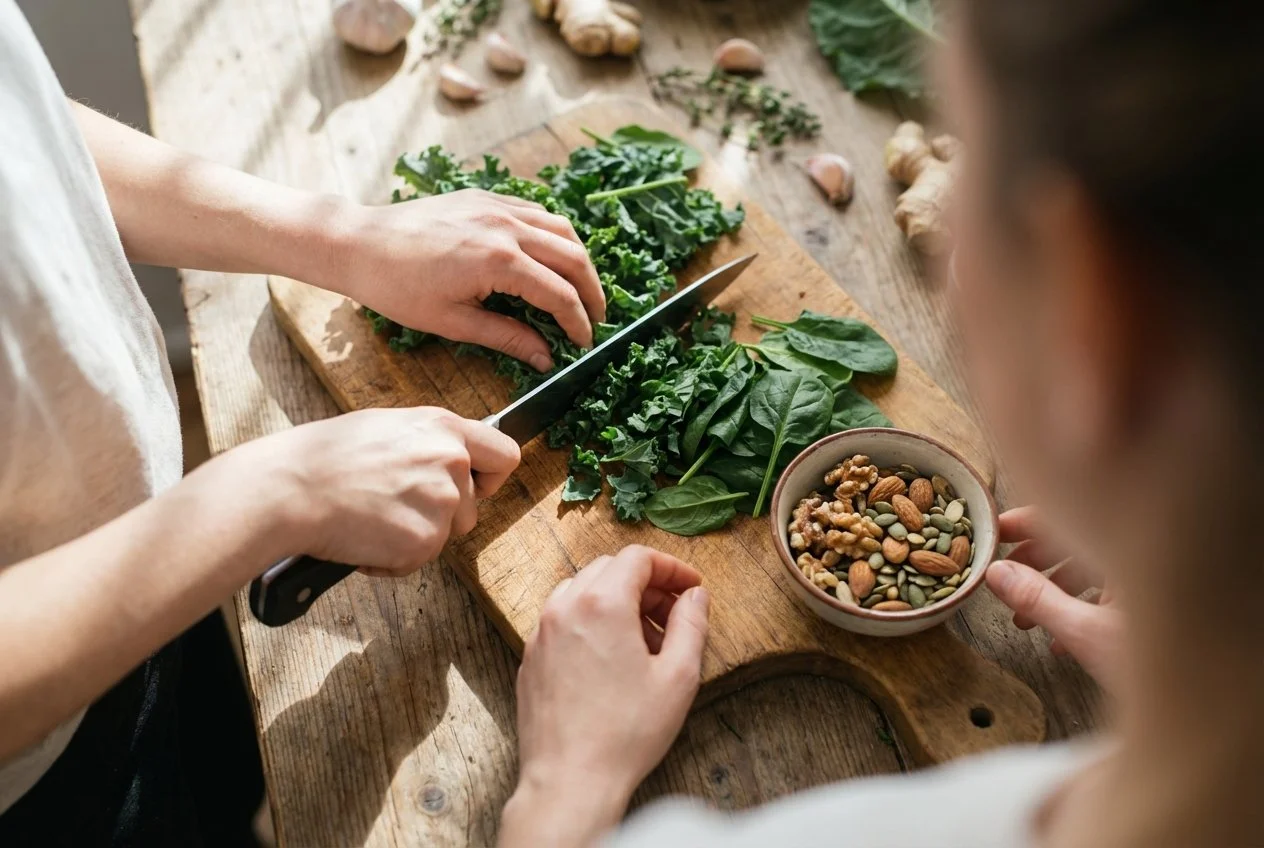
Balancing nutritional intake is a cornerstone of proactive immune health.
Dietary balance is another frequent topic of discussion. Many sources highlight the relationship between two amino acids: arginine and lysine. Arginine is thought to support viral replication in some contexts, while lysine may inhibit it. As a result, many people choose to reduce high-arginine foods (like chocolate and nuts) or increase lysine intake during times of stress. Balancing these inputs is often cited as a strategy to maintain immune balance and reduce the frequency of issues like cold sores ².
Can botanicals like lemon balm and medical-grade honey offer support?
Beyond supplements, topical and botanical approaches are often explored for symptom management. Lemon balm (Melissa officinalis) has been studied for its potential to reduce the duration of symptoms when applied topically. Similarly, medical-grade honey (such as Manuka) has shown promise in clinical studies for promoting faster healing times compared to standard care, likely due to its antimicrobial and wound-healing properties ³.
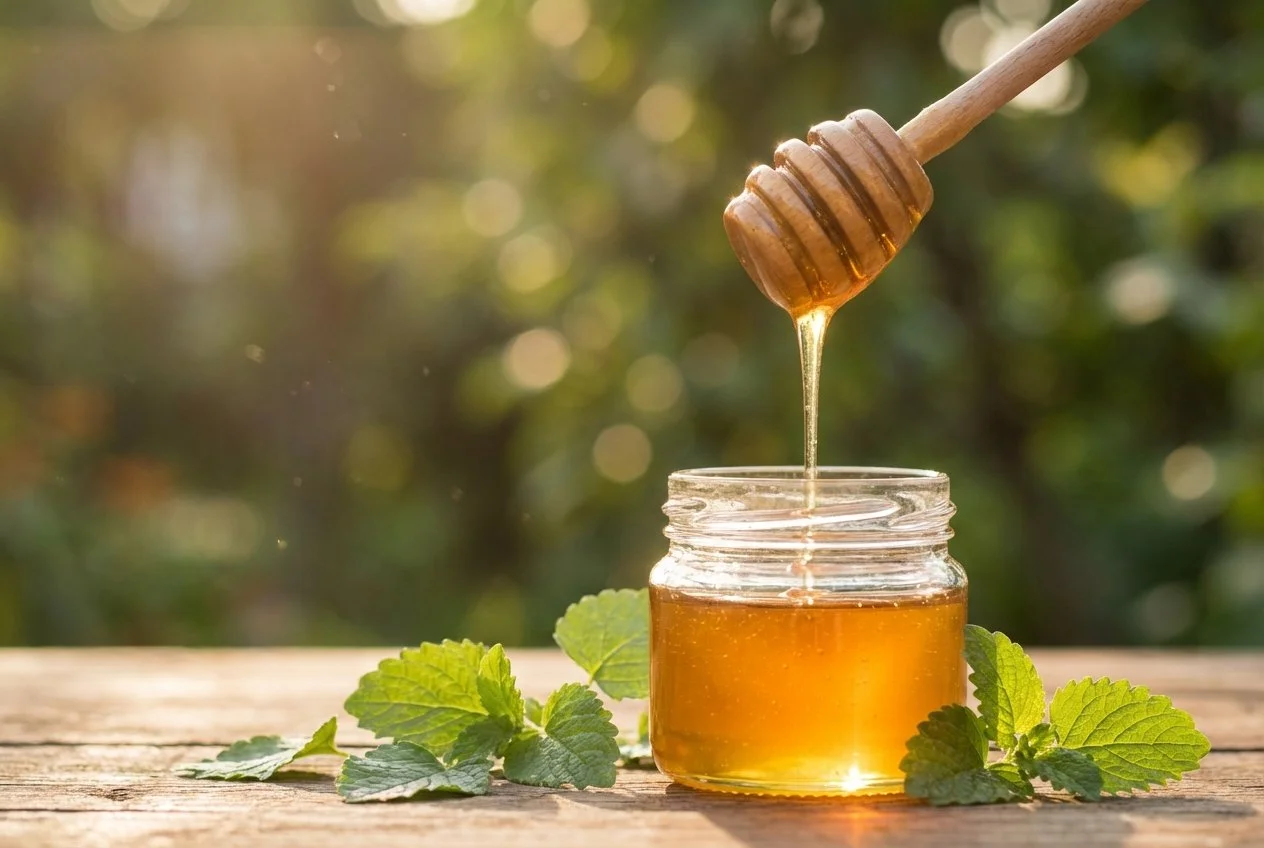
Botanicals like lemon balm and medical-grade honey are often explored for their soothing properties.
These natural options, including zinc supplementation, focus on creating an environment that discourages viral activity while soothing the skin. However, it is important to avoid harsh irritants like undiluted essential oils or apple cider vinegar on active sores, as these can delay healing.
Choosing Quality Supplements
When incorporating supplements into your routine, quality control is paramount. Not all supplements are created equal; many contain unnecessary fillers or lack the potency required to be effective. When selecting monolaurin, look for brands that prioritize purity, offer third-party testing, and source from high-quality lauric acid. Consumers should verify that the product is free from common allergens and excipients that could irritate a sensitive system. Click here to explore the best monolaurin options to find rigorous, high-purity formulations.
How might a comprehensive approach to immune health change your management strategy?

Moving from reactive measures to a confident, proactive lifestyle.
Managing HSV is rarely about a single “magic bullet.” Instead, it often involves a synergistic approach that combines stress reduction, dietary awareness, and evidence-based natural supports. By understanding the science of lipid envelopes and the importance of immune resilience, you can move from reactive measures to a more confident, proactive lifestyle. Always consult with a healthcare professional before starting new regimens to ensure they align with your specific health needs.
References
-
Lieberman, S., et al. (2006). “A Review of Monolaurin and Lauric Acid: Natural Virucidal and Bactericidal Agents.” Alternative & Complementary Therapies. https://www.liebertpub.com/doi/10.1089/act.2006.12.310
-
Mailoo, V.J., & Rampes, S. (2014). “Lysine for Herpes Simplex Prophylaxis: A Review of the Evidence.” Integrative Medicine. https://www.fammed.wisc.edu/files/webfm-uploads/documents/outreach/im/tool-herpes-simplex-virus.pdf
-
Al-Waili, N.S. (2004). “Topical application of natural honey, beeswax and olive oil mixture for atopic dermatitis or psoriasis: partially controlled, single-blinded study.” Complementary Therapies in Medicine. https://pubmed.ncbi.nlm.nih.gov/15022655/
-
Gaby, A.R. (2006). “Natural Remedies for Herpes Simplex.” Alternative Medicine Review. https://altmedrev.com/wp-content/uploads/2019/02/v11-2-93.pdf